

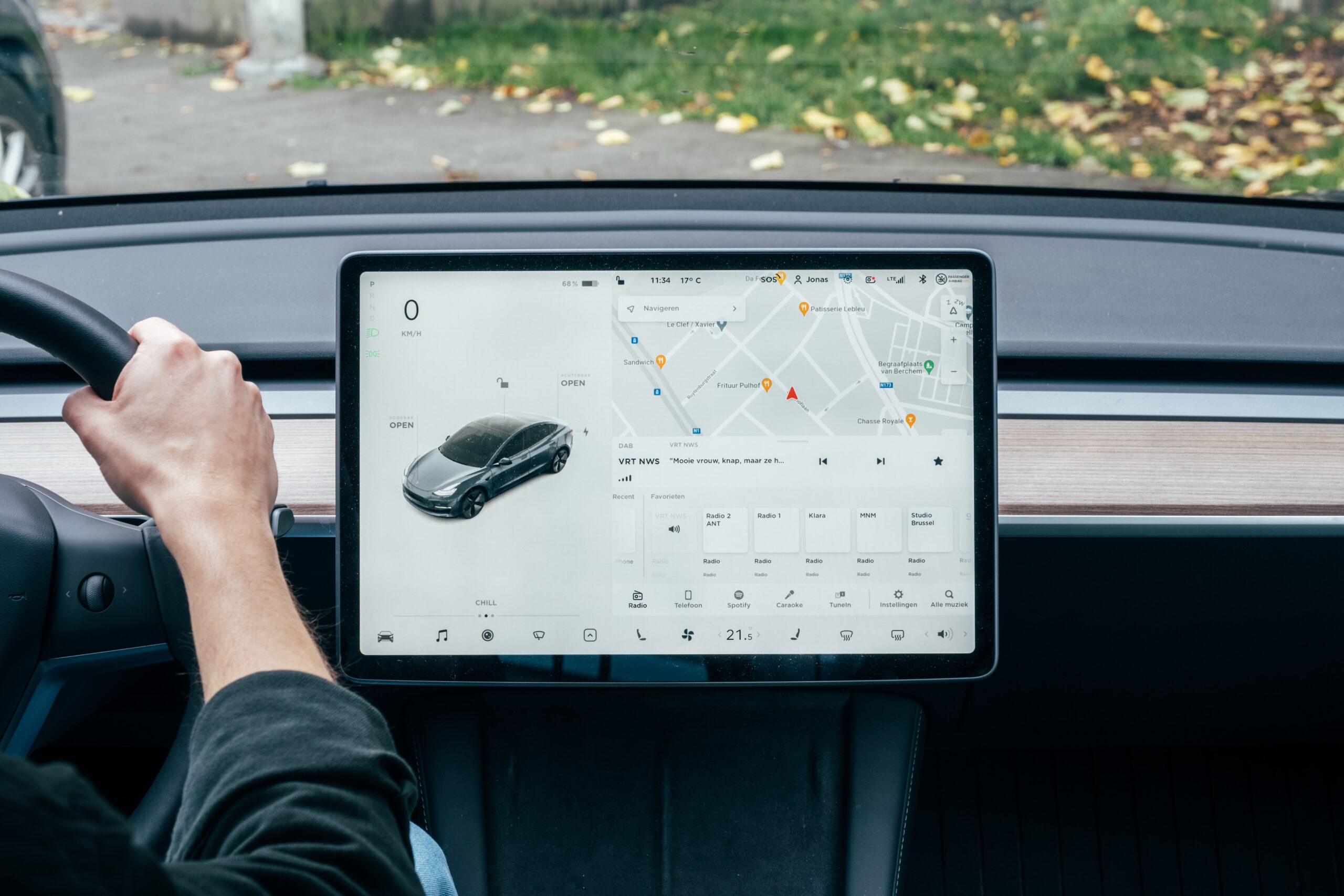
Driving a car is easy if you follow some basic rules. You can’t follow them until you know them, so revise for your theory test and learn the Highway Code.
Rules keep you safe, and they keep others safe from you. Plenty of people still ignore them, so stay alert for hazards whenever you are on the road. Safety comes first.
As the driver, you are also responsible for the safety, wellbeing and behaviour of your passengers.
Starting the car, moving it and stopping it takes 15 minutes to learn. The rest is practice, and becoming a confident, competent driver takes time. Don’t rush. You can’t eat a month’s food in one day, and you can’t do a month’s practice in one day either.
Practise a little every day. Talk through mistakes and improvements straight after each practice run. You will learn faster and it will stick.
A car can weigh 1,200 kg or more, and the faster it goes, the harder it is to stop. So the next basic rule is speed control. As a beginner, keep your speed very low. There is no minimum, so you can stay near zero until you feel ready to go faster.
The key is to feel comfortable. You learn fastest when you are not stressed, and speed causes stress. Build your speed up as your confidence grows.
Go slow, and keep to the left. The Highway Code says to keep to the left unless road signs or markings tell you otherwise. You move over to the right only to overtake, turn right, or pass parked vehicles or pedestrians in the road.
The last basic rule is to tell other road users what you are going to do, well before you do it. Communicate in good time. Indicate.
Learn the controls you will use most, one by one: the brake, accelerator, steering wheel, mirrors, indicators and so on. That’s all you need to know to move a car from A to B. You can be a good driver without knowing anything else about your car. You don’t need to know how fuel injection works, for example. But the more you know your car, the better you will look after it, and the better it will serve you.
You are almost ready to roll. Beginners should run through this checklist before moving the car.
- Check the three mirrors (driver side, rear view, passenger side). Make sure they are clear and show the road behind you properly. Adjust or clean them if needed.
- Turn the right indicator on. Do this just after you start the car, but always before you move off.
- Turn your head to the right to look at the road behind you (your blind spot). Move off only if it is safe. That means releasing the handbrake and foot brake only when it is safe to pull out from where you are parked. Then move your right foot to the accelerator and slowly turn the wheel to the right.
Quick recap
- Know the Highway Code.
- Drive a safe car.
- Run the checklist before you start.
- Stay safe. Watch for hazards, drive to the conditions and keep your following distance.
- Go slow.
- Keep to the left.
- Communicate. Indicate in good time and do what you indicated. Display your L plates clearly on the car, so other drivers know you are learning.